

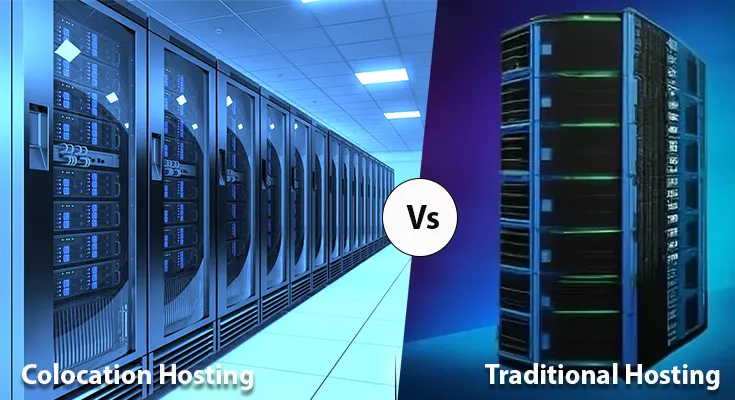
5 Reasons Why Businesses are Choosing Colocation Over Traditional Hosting
In today’s digital age, a robust and reliable IT infrastructure is no longer a luxury – it’s a necessity. Businesses of all sizes depend on their servers to operate efficiently, store critical data, and power their online presence. However, when it comes to choosing the right hosting solution, companies often face a problem: traditional hosting or colocation?
Traditional hosting, particularly shared hosting, offers a convenient and affordable entry point. However, it comes with limitations in terms of control, security, and scalability. On the other hand, colocation provides a more hands-on approach, offering businesses greater control and flexibility over their IT infrastructure.
As a result, we’re witnessing a growing trend of businesses migrating from traditional hosting to server colocation. Here are five compelling reasons why:
1. Enhanced Security and Control
Data security is a paramount concern for every business. Traditional hosting often involves sharing server resources with other companies, which can pose security risks. In a colocation environment, your servers reside in a secure, physically controlled data center. You have complete control over access and security measures, allowing you to tailor them to your specific needs.
Colocation data centers boast advanced security features like:
- 24/7 security personnel: Trained professionals monitor the facility to deter unauthorized access.
- Biometric access control: Entry is restricted to authorized personnel using fingerprint scanners or retina scans.
- Video surveillance: High-definition cameras keep a watchful eye on all areas of the data center.
- Advanced fire suppression systems: These sophisticated systems can extinguish fires quickly and minimize damage.