
The “chicken or the egg” dilemma often plagues new graphic designers: you need a portfolio to get clients, but you need clients to build a portfolio. Thankfully, the design industry understands this Catch-22. A strong portfolio isn’t about who you’ve worked for; it’s about what you can do. You can create a compelling graphic design portfolio with no client work by focusing on quality, relevance, and narrative.
1. Identify Your Niche (or Dream Clients)
Even without clients, you can design for them. Think about the types of projects you want to do. Do you love branding for tech startups? Packaging for sustainable goods? Web design for local cafes?
- Action: Choose 2-3 industries. This focus helps your portfolio feel cohesive and targeted, showing potential employers you understand a specific market.
2. Design for Fictional Brands
This is your sandbox. Invent brands, products, and services. Create a full brand identity from scratch:
- Logo Design: Develop a primary logo, secondary marks, and a favicon.
- Color Palette & Typography: Define a clear visual language.
- Brand Guidelines: Even a simple one-page guide shows professionalism.
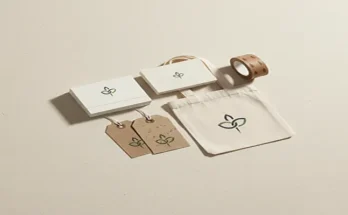
- Mockups: Apply your designs to realistic mockups. Show your logo on a business card, a website homepage, or product packaging. Websites like FreePik, MockupWorld, and Behance provide excellent free mockup templates.
3. Rebrand Existing Companies (Critique & Improve)
Pick a brand you feel has a weak or outdated identity. Rebrand it. This demonstrates critical thinking and your ability to improve existing designs.
- Show Your Process: Don’t just show the “after.” Explain why you made your design choices. What problems were you solving?
- Example: Redesign a local charity’s logo, a community event poster, or a small business’s menu.
4. Participate in Design Challenges
Websites like Daily UI, The $100 Challenge, and weekly Reddit design prompts provide structured briefs. These are excellent for building diverse pieces quickly.
- Benefit: They push you out of your comfort zone and often have time constraints, mimicking real-world project pressures.
5. Create “Passion Projects”
What are you genuinely interested in? Design a book cover for your favorite novel, a concert poster for a band you love, or social media graphics for a cause you support.
- Authenticity: These projects often showcase your unique style and passion more than any brief.
6. Build a Strong Narrative for Each Project
The “how” and “why” are as important as the “what.” For every project in your portfolio:
- The Problem: What design challenge were you addressing?
- Your Solution: How did your design solve it?
- Your Process: Briefly explain your steps (research, sketching, iteration).
- The Outcome: What was the final design, and what impact would it have?
7. Showcase Your Work Online
Your portfolio needs a home.
- Website: A dedicated portfolio website (e.g., Squarespace, Webflow, Adobe Portfolio) is ideal.
- Platforms: Behance and Dribbble are great for visibility and community feedback.
- PDF Portfolio: Always have a clean PDF version ready for applications.
Final Tip: Quality Over Quantity
Aim for 4-6 strong, diverse projects that showcase your best work and the specific skills you want to highlight. Each project should feel complete and professionally presented, even if it’s entirely self-initiated. Your portfolio is your story; make it a compelling one.