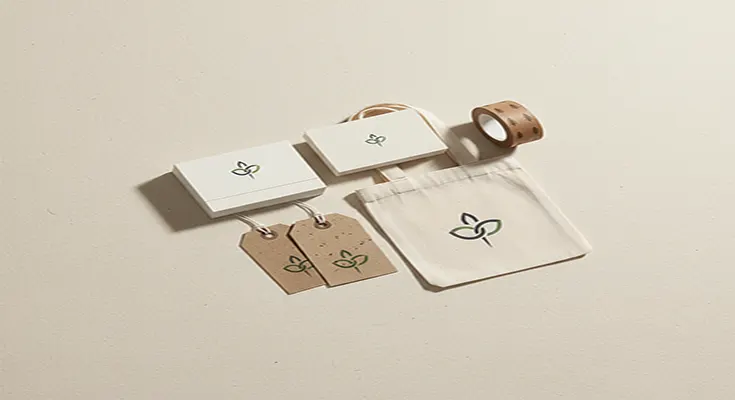
In an era of fast fashion and digital noise, sustainable startups are pivoting toward a “less is more” philosophy. For a brand rooted in ethics, a minimalist brand identity design isn’t just an aesthetic choice; it is a strategic alignment with the values of sustainability. When you strip away the excess, you allow the craftsmanship and the story of the garment to take center stage.
The Psychology of Minimalism in Sustainability
Minimalism and sustainability are two sides of the same coin. Both prioritize quality over quantity and longevity over trends. A minimalist logo and clean typography signal to the consumer that your brand is confident, honest, and has nothing to hide. This “visual breathing room” builds trust, which is the most valuable currency for a startup asking customers to invest in higher-priced, ethically made goods.
Core Elements of a Minimalist Sustainable Identity
1. Purposeful Color Palettes
Forget the neon flashes of fast fashion. Minimalist sustainable brands often lean toward “earth-neutral” tones—terracotta, sage, sand, and charcoal. However, 2025 trends show a shift toward “monochromatic vibrance,” where a single, bold organic color is used against a white or cream backdrop to create high impact with low visual clutter.
2. Typography as a Hero
When graphics are sparse, typography does the heavy lifting. Sustainable fashion brands are moving away from overly ornate scripts and toward:
- Geometric Sans-Serifs: For a modern, tech-forward “eco-innovator” feel.
- Refined Serifs: To evoke a sense of heritage, “slow fashion,” and timeless elegance.
3. The Power of Negative Space
Negative space in your packaging and website design mimics the feeling of a high-end boutique. It suggests that the product is so well-made it doesn’t need flashy stickers or busy patterns to sell itself. This approach also translates to eco-friendly printing; less ink usage on hangtags and packaging directly reduces your environmental footprint.
Why Minimalism Scales Better
For a startup, scalability is key. A minimalist identity is inherently “future-proof.” While trendy, maximalist designs may look dated within two years, a clean, well-proportioned minimalist mark can remain relevant for decades. Furthermore, minimalist designs are easier to reproduce across various eco-friendly mediums—whether it’s laser-etched into wooden buttons, screen-printed with water-based inks, or embossed on recycled cardboard.
Case Study: The “Less” Impact
Think of brands like Everlane or Toteme. Their identities are almost invisible, yet instantly recognizable. They use a strict grid system and a limited color story that allows their recycled fabrics and ethical labor practices to be the “loudest” part of the brand.
Final Thoughts
For sustainable fashion startups, the brand identity is the first promise you make to your customer. By choosing a minimalist path, you are promising a departure from the chaotic cycle of overconsumption. You are telling your audience that your brand, much like the clothes you create, is designed to last.