
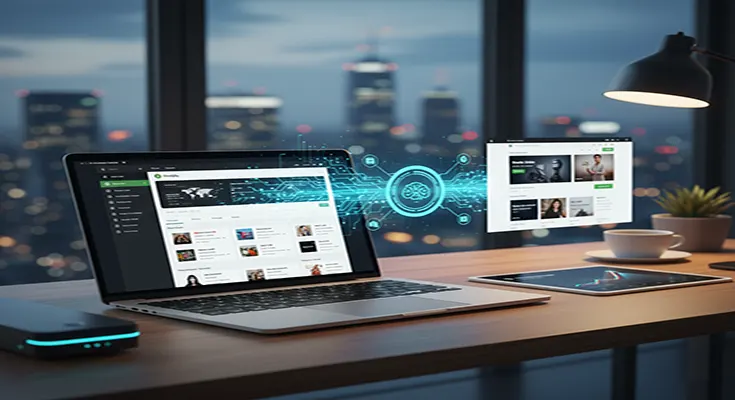
How to Migrate a Shopify Store to a Headless CMS for Better Performance

How to Migrate a Shopify Store to a Headless CMS for Better Performance

Modern eCommerce is moving away from “monolithic” structures where the storefront and the database are tightly locked together. For growing Shopify brands, the transition to a headless architecture allows the backend (Shopify) to handle inventory and checkout while a dedicated Headless CMS (like Sanity, Contentful, or Strapi) and a modern frontend framework (like Next.js or Hydrogen) handle the customer experience.

Why Go Headless?

The primary driver for this migration is performance. Traditional themes often suffer from “app bloat”—JavaScript from various Shopify apps that slows down the site. In a headless setup, you only load the exact code needed for each page. This leads to better Core Web Vitals, improved SEO, and a mobile experience that feels like a native app.

Step 1: Choose Your Tech Stack

Before moving any data, you must define your “head.”

  • The Frontend: Next.js and Shopify’s own Hydrogen (built on Remix) are the industry leaders

How to Migrate a Shopify Store to a Headless CMS for Better Performance CONTINUE READING >>>
Custom Web Development Services for Private Healthcare Clinics

Custom Web Development Services for Private Healthcare Clinics

For private healthcare providers, a generic website template is no longer enough to stay competitive. As patients increasingly demand digital-first experiences—from online scheduling to telehealth—custom web development services for private healthcare clinics have become a vital investment. Unlike “one-size-fits-all” solutions, custom builds are designed around the specific clinical workflows and security needs of a specialized medical practice.

The Power of Patient-Centric Design

In healthcare, user experience (UX) is directly tied to patient trust. A custom-developed site allows for a seamless patient journey that templates cannot replicate.

  • Intuitive Navigation: Private clinics often offer specialized services. Custom architecture ensures that a patient can find specific treatments, doctor credentials, and insurance information in two clicks or less.
  • Accessibility (ADA Compliance): Custom development ensures your site meets WCAG 2.1 standards, making it usable for patients with visual or motor impairments—a legal and ethical necessity in 2025.

Advanced Functionality & Clinical Integration

The true …

Custom Web Development Services for Private Healthcare Clinics CONTINUE READING >>>